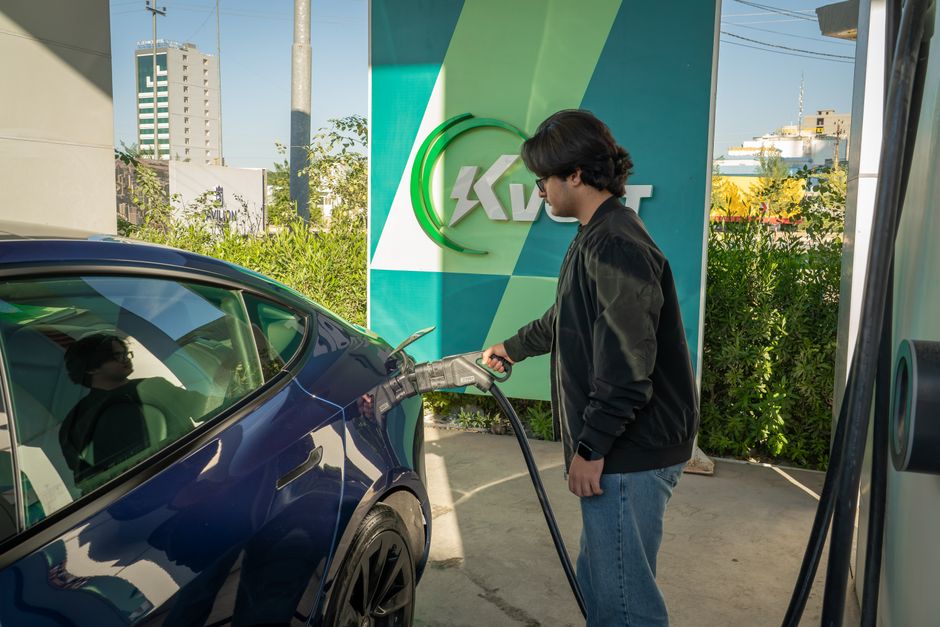
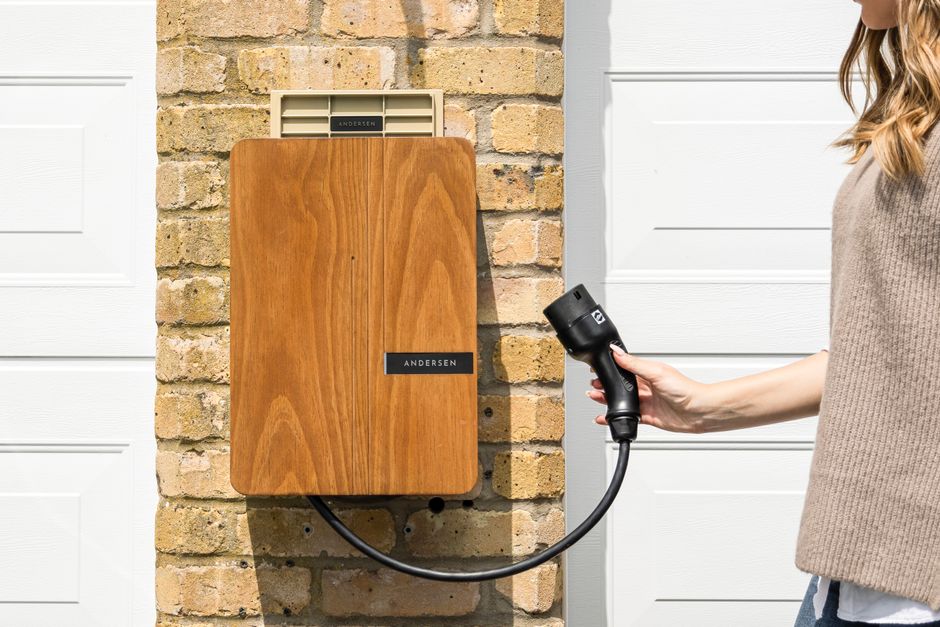
How Fast Is a Grizzl-E EV Charger? Charging Speeds, Models & What to Buy in 2026

VoltVentureLab is reader-supported. When you buy through links on this page we may earn a commission. We research using published specs, manufacturer data and owner reports — how we work.
FTC Disclosure: This article is AI-assisted research and contains affiliate links. VoltVentureLab may earn a small commission at no extra cost to you.
If you're shopping for a home Level 2 charger and keep landing on Grizzl-E, you're asking the right question up front: how fast is a Grizzl-E EV charger, really? The answer depends on which model you choose — and the difference between the entry-level Classic and the top-tier Ultimate ULTRA is not trivial. This guide breaks down the verified specs, honest tradeoffs, and which model makes sense for most EV owners in 2026.
Grizzl-E Charging Speed by Model: The Numbers That Matter
Grizzl-E builds all of its home chargers around the Level 2, 240V standard — the same technology used by most dedicated home EV chargers. Here's what the published specs and independent review consensus show for each main model:
- Grizzl-E Classic 40A (~$229–$300): Operates at 40 amps and 9.6 kW. Review sources consistently place its real-world delivery at approximately 28–30 miles of range restored per hour of charging, with some efficiency-optimistic estimates reaching ~34 miles per hour depending on the vehicle. For most EVs with a battery in the 60–80 kWh range, that means a near-empty pack can be refilled overnight with ease.
- Grizzl-E Ultimate 48A (~$480): Steps up to 48 amps for a modest but meaningful speed increase over the Classic. It also adds Wi-Fi connectivity, app control, and a slightly longer 25-foot cable (vs. the Classic's 24-foot cable).
- Grizzl-E Ultimate ULTRA 48A (~$1,099): The current flagship. Running at 48A / 11.5 kW on a 60-amp circuit, it delivers approximately 37 miles of range per hour — roughly 20% faster than a 40A charger, according to GridReadyHQ's 2026 review. It also carries native Wi-Fi with an external antenna, die-cast aluminum IP67 hardware, and Energy Star certification.
- Grizzl-E Ultimate 80A (~$899.99): A hardwired, high-output model for owners who need maximum speed and have the panel capacity to support it. Specific per-hour range figures for this unit were not confirmed in available sources, but the 80-amp output puts it well above what most passenger EVs can accept without a high-capacity onboard charger.
The bottom line on speed: the Classic is fast enough for the vast majority of daily drivers, while the Ultimate ULTRA earns its premium only if you regularly need a faster top-up or want smart scheduling and energy monitoring built in.
For more context on home charging infrastructure, see our complete home EV charging setup guide.
What Makes the Grizzl-E Classic Stand Out (and Where It Falls Short)
The Grizzl-E Classic 40A has earned a strong reputation not by being the fastest charger on the market, but by being relentlessly reliable. Here's what published reviews and owner consensus consistently highlight:
What owners praise:
- No app, no account, no cloud dependency. The Classic is a true plug-and-charge unit. You plug it in, it charges your car. That simplicity is a genuine selling point for owners who have watched smart-charger ecosystems get discontinued or require firmware updates to keep working.
- Rugged weather resistance. The Classic carries a NEMA 4 rating and is spec'd to operate from -40°F to 122°F, making it one of the more cold-climate-capable options in its price range. Multiple reviewers note it outperforms the Ultimate in extreme cold, partly because there's no screen or smart hardware to be affected.
- 40A / 9.6 kW is genuinely sufficient overnight. At 28–30 miles of range per hour, an EV driven 40–60 miles per day is fully recharged in two to three hours. Running it overnight is more than adequate for nearly all daily-use scenarios.
- 3-year warranty and a well-documented track record of durability in owner reviews.
Genuine tradeoffs to know before you buy:
- It is slower than 48A competitors. Reviewers are straightforward about this: the Classic tops out at 40A, and if you're comparing it directly to a 48A charger, you're leaving roughly 20% of potential speed on the table. For most owners this doesn't matter day-to-day, but for larger-battery vehicles or households with two EVs sharing one charger, it can.
- No smart features whatsoever. No scheduling, no energy monitoring, no TOU rate optimization. If your utility offers time-of-use pricing and you want to automatically charge during off-peak hours, you'll need to handle that at the vehicle level or upgrade to an Ultimate model.
- Cable stiffness in deep cold. One 2026 review notes the cable can become stiff in extreme cold temperatures, though the Classic is noted to handle this better than the Ultimate overall.
[LINK: best Level 2 home EV chargers compared]
Grizzl-E Classic vs. Ultimate ULTRA: Which Should You Actually Buy?
The choice in 2026 comes down to a straightforward question: do you need smart features and maximum speed, or do you need something dependable that works every single day without a smartphone?
| Feature | Classic 40A | Ultimate ULTRA 48A |
|---|---|---|
| Output | 40A / 9.6 kW | 48A / 11.5 kW |
| Miles added per hour | ~28–30 mi/hr | ~37 mi/hr |
| Circuit required | 50A | 60A |
| Wi-Fi / App | None | Yes (native Wi-Fi + external antenna) |
| Cable length | 24 ft | Not confirmed in sources |
| Weather rating | NEMA 4, -40°F to 122°F | IP67 die-cast aluminum |
| Energy Star | Not listed | Yes |
| Price (2026) | ~$229–$300 | ~$1,099 |
| Warranty | 3 years | Not confirmed in sources |
The Ultimate ULTRA is genuinely better on paper — faster output, smarter features, premium build. But at nearly four times the price of the Classic's street price, it's a hard sell for the average single-EV household that plugs in every night and drives typical daily mileage. The 20% speed advantage of 48A over 40A is real but rarely decisive for overnight charging scenarios.
The Ultimate 48A at ~$480 sits in an interesting middle ground — faster than the Classic and smart-connected, at roughly half the cost of the ULTRA. For owners who want app scheduling without paying flagship prices, it's worth a close look.
[LINK: solar generators that can power EV chargers off-grid]
Verdict: The Honest Recommendation
So, how fast is a Grizzl-E EV charger? At the Classic level, fast enough — roughly 28–30 miles of range per hour at 40A is more than sufficient to recover a typical daily commute overnight. At the Ultimate ULTRA level, you're looking at ~37 miles per hour, which matters most for high-mileage drivers, large-battery vehicles, or households that charge during short windows.
For most buyers in 2026, the Grizzl-E Classic 40A is the clear value winner. It charges quickly enough for everyday use, operates in brutal weather without complaint, requires zero app setup or ongoing connectivity, and has a documented track record of long-term durability. The tradeoff is real — no smart features, no 48A speed ceiling — but for a charger that will reliably do one job for years, those are acceptable compromises.
If you want smart scheduling or time-of-use rate optimization baked into the charger itself, step up to the Ultimate 48A before jumping all the way to the ULTRA.
Ready to set it and forget it? The Grizzl-E Classic 40A — no app, no Wi-Fi, just a charger that works every single day — is available for around $299. See our full home EV charging setup guide for installation tips, circuit requirements, and what to ask your electrician: VoltVentureLab Home EV Charging Setup Guide →
Sources
- GridReadyHQ — Grizzl-E Ultimate ULTRA Review
- PCTEL — Grizzl-E Classic 40A Product Page
- LevelTwoClub — Grizzl-E Classic Review
- Enercare — EV Chargers Ontario
- YouTube — Grizzl-E Charger Coverage
- Carrefour UAE — Grizzl-E Smart Level 2 40A Listing
- EVChargingStations.com — Grizzl-E Ultimate 80A Review
- EnergySage — Grizzl-E EV Charger Review
Disclosure: This content is AI-assisted research compiled from published manufacturer specifications, independent review sources, and owner consensus. It contains affiliate links — VoltVentureLab may earn a commission if you purchase through our links, at no additional cost to you. We do not conduct first-person hardware testing; all performance claims are attributed to sourced publications and verified specifications.
Products mentioned
Affiliate links — we may earn a commission if you buy, at no extra cost to you. Prices change; check the current price.
Get the honest weekly roundup
One short email a week: real prices, new e-bike and backup-power deals, and what's actually worth buying. No spam.